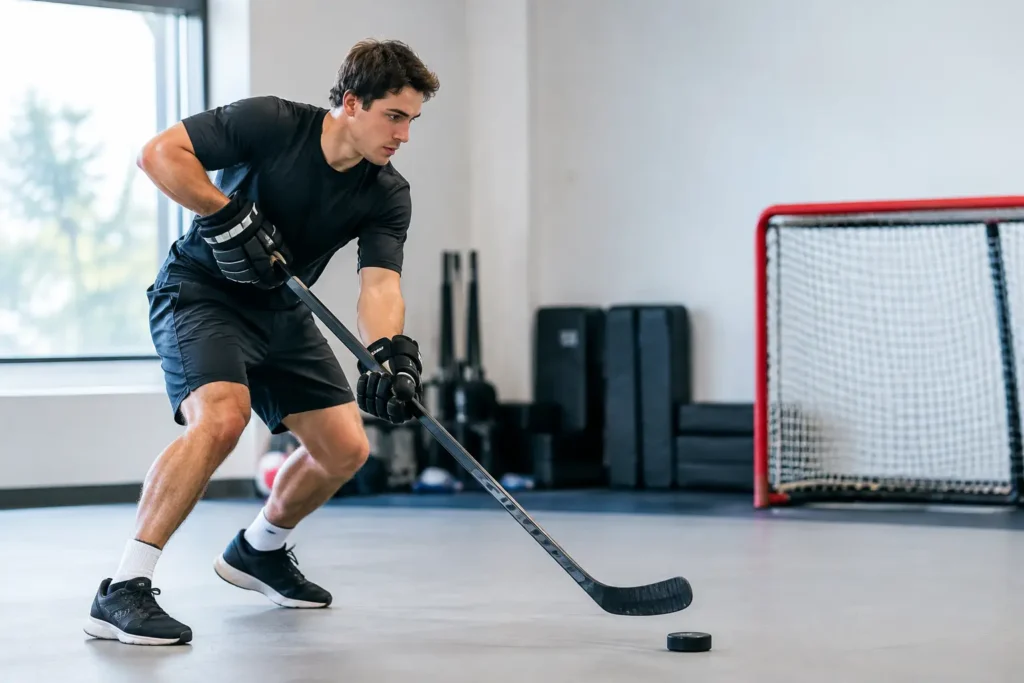
A scoring chance can disappear in the time it takes to load a puck. Tim Turk Shooting Only gives players dedicated time to sharpen the details that turn a clean look into a shot on net: body position, puck placement, release speed, accuracy, and follow-through. For young players who practice shooting mostly at the end of team practice, focused repetition can be the difference between hoping to score and knowing how to create a dangerous release.
Why shooting-only training matters
Team practices ask athletes to cover a lot of ground. Players skate, compete, learn systems, battle for pucks, and work through drills with a full group. All of that has value, but it rarely gives a player enough time to isolate a shooting flaw, make a correction, and repeat the corrected movement until it feels natural.
A shooting-only session has a clear purpose. Instead of splitting attention between skating, passing, and game play, the athlete can focus on the sequence of a quality shot. That means more intentional repetitions, more direct coaching, and more opportunities to understand why a puck is missing the target, floating high, or taking too long to leave the blade.
For parents, the benefit is straightforward: training time is spent on a skill that shows up in every offensive situation. A stronger shot supports confidence on breakaways, rebounds, rush chances, point shots, and quick touches around the net. It also helps players make better decisions because they trust they can get a puck away under pressure.
What Tim Turk Shooting Only sessions train
Tim Turk Shooting Only is designed for athletes who want to build a more repeatable, game-ready shot. The goal is not simply to fire as many pucks as possible. The goal is to make each repetition purposeful, then connect that work to the situations players face in games.
A faster, cleaner release
A quick release starts before the puck arrives. Players learn to prepare their hands, receive or set the puck in a usable shooting position, and move it efficiently into the release. Young athletes often add extra stickhandling, pull the puck too far behind their body, or stand too tall when they shoot. Those habits cost time.
Coaching focuses on removing unnecessary movement without rushing the player. A fast shot that lacks balance or misses the net does not help much. The best release is efficient, controlled, and available from different puck positions.
Better puck position and weight transfer
Power does not come from swinging the arms alone. A player needs a stable athletic base, effective hand separation, and a transfer of force through the body and stick. Small details matter: where the puck sits in relation to the skates, how the lower hand supports the stick, and whether the athlete finishes through the target.
These details look different from player to player. A smaller athlete may need help learning how to use leverage and body position. An older player may have plenty of strength but lose accuracy because their upper body opens too early. Personalized feedback gives both athletes a clear correction instead of a generic instruction to “shoot harder.”
Accuracy that holds up under pressure
Shooting corners is useful, but accuracy is more than picking a target in an empty net. Players need to recognize where the puck is coming from, control the height of the release, and put the shot in a place that creates a rebound or forces a difficult save.
Training can challenge athletes to change targets, shoot from different angles, and adjust after each attempt. A player who can consistently hit a target from one spot has a foundation. A player who can adjust their feet, hands, and release when the puck is off the heel or slightly in front is developing a skill that transfers to games.
Repetition is only valuable when it is corrected
More reps are not automatically better reps. If an athlete repeats poor mechanics for an hour, they may become more consistent at the wrong movement. That is why coaching attention matters.
At Pro Stride Hockey, athletes train in a purpose-built 3,600-square-foot facility with a synthetic-ice shooting lane and immediate video analysis available on a 55-inch display. Players can see what their hands, feet, and stick are doing, then apply a specific adjustment on the next rep. Video is especially useful when a player feels like they are doing one thing but the footage shows another.
The training environment also supports a high coaching standard. Small-group instruction allows coaches to observe the shot from multiple angles, demonstrate the movement clearly, and give athletes time to apply feedback. For private sessions, the 2:1 player-to-coach ratio and four-player maximum keep the work personal and active.
That structure is valuable for a beginner learning the fundamentals and for an advanced player refining a release that is already effective. The coaching language changes, but the process remains the same: identify the issue, explain the correction, repeat it with intention, and build confidence through improvement.
Who benefits from shooting-focused instruction?
Shooting-only work is not reserved for the player who already scores often. It can be a strong fit for athletes at many stages of development.
A younger player may need to learn how to hold the stick with control, keep their eyes up, and generate a shot without losing balance. Their early success comes from clean basics and an encouraging environment where mistakes are part of the learning process.
A minor hockey player who gets into scoring areas but struggles to finish may benefit from quicker puck preparation and better target selection. Often, these athletes do not need a complete rebuild. They need focused feedback on a few habits that slow their release or reduce accuracy.
For competitive U15 players, junior prospects, and advanced athletes, shooting instruction becomes more situational. They may work on releasing through traffic, changing the angle before shooting, getting pucks off quickly from imperfect passes, or creating a shot after a deception move. At that level, the difference is often not effort. It is the ability to execute a refined skill at game speed.
How to get more from each session
Players make the fastest progress when they arrive ready to work and stay curious about the details. The athlete should bring the stick they use in games whenever possible. Stick flex, length, and blade pattern influence how a player loads and releases the puck, so training with familiar equipment makes feedback more useful.
Parents can help by keeping the focus on progress rather than perfection. A player may leave a session with one or two clear cues, such as keeping the puck farther forward or finishing toward a selected target. Those cues are more valuable than trying to remember every coaching point at once.
Between sessions, short, focused practice is usually more productive than random volume. Ten minutes of deliberate shooting with a single goal can reinforce a correction. The player should prioritize quality mechanics and consistent targets before chasing shot totals. If the movement begins to break down, reset rather than practicing the error.
Turning shooting practice into confidence
Confidence is not built by telling a player they have a great shot. It is built when they can feel and see their progress. Maybe the puck comes off the blade faster. Maybe more shots find the intended target. Maybe the player gets the release away before a defender can close the lane.
Those moments matter because they carry into games. An athlete who trusts their mechanics is more willing to shoot in a tight area, take the puck to the middle, or call for a pass in a scoring position. That willingness creates offense.
Tim Turk Shooting Only gives players a structured place to earn that confidence one repetition at a time. The next goal may come from a rebound, a rush, or a shot through traffic, but it starts with the same commitment: train the details until the release is ready when the chance arrives.