Table of Contents
- What Recreational Hockey Training in Edmonton Actually Includes
- Program Formats: Clinics, Power Skating, and Small-Group Sessions
- How Hockey Training Intensity and Duration Shape Your Results
- Best Practices for Adult Hockey Conditioning
- Adult Hockey Development Programs: What to Expect
- What Recreational Hockey Training Costs in Edmonton
- How to Choose the Right Program for Your Skill Level
- Frequently Asked Questions
Last Updated: October 2, 2026
What Recreational Hockey Training in Edmonton Actually Includes
Hockey training for recreational players Edmonton is structured instruction that builds skating, puck control, and shooting skills for adults and older teens who play for fun, fitness, or a spot on a rec league roster. It is not the same as elite AAA development, and it should not be.
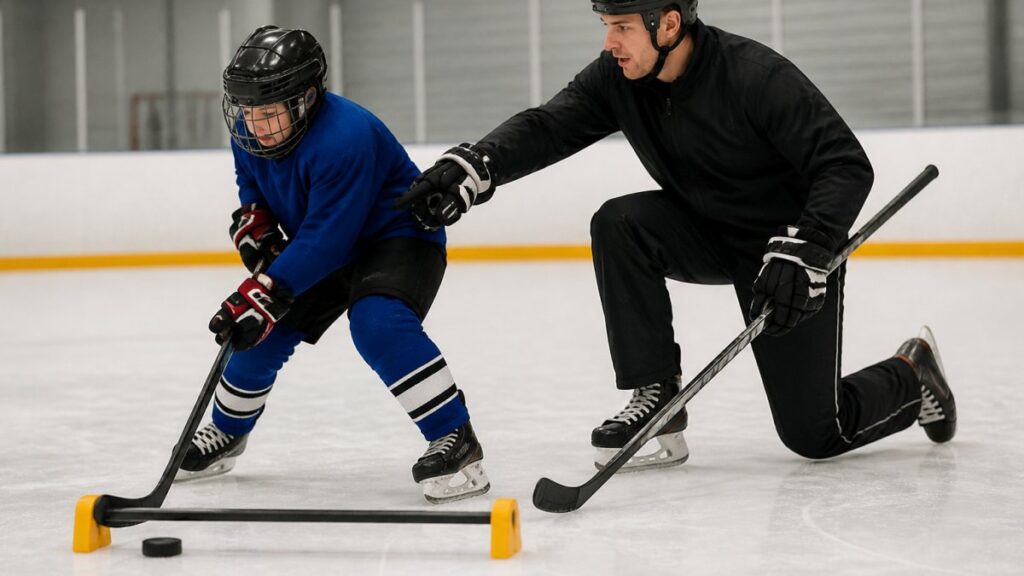
At Pro Stride Hockey, we work with players at every level, including adults who picked up the game late and parents who want their kids to enjoy the sport without pressure.
Most programs cover the same building blocks:
- Skating stride and edge work
- Puck control and stickhandling
- Shooting mechanics
- Small-area game situations
- Basic positioning and reads
From Learn-to-Play to League-Ready
The path from beginner to league-ready usually runs through a few stages. First, you learn to skate with control. Then you add the puck. After that, you learn to do both at speed, with other players around you.
Program Formats: Clinics, Power Skating, and Small-Group Sessions
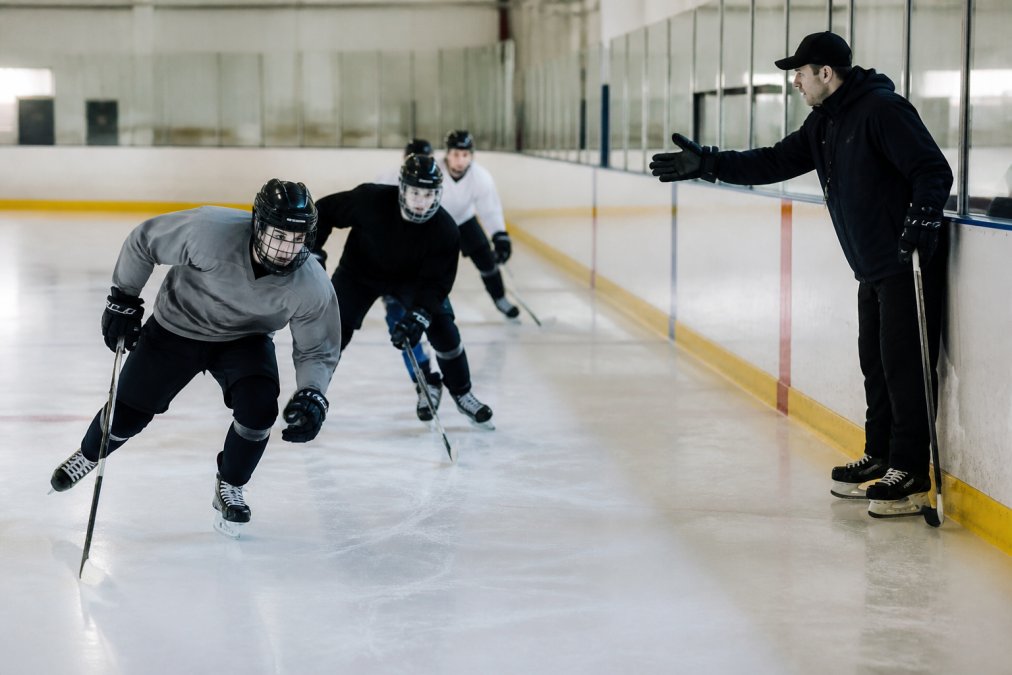
The best format for most recreational players is a small-group session that mixes power skating with skill work, because skating speed is the single biggest difference-maker in rec hockey. You can have average hands and still be effective if you can get to the puck first.
Here is how the main formats compare:
| Format | Group Size | Best For | Main Focus |
|---|---|---|---|
| Skills clinic | 10-20 players | Beginners learning basics | Puck control, shooting |
| Power skating | 8-15 players | Players who need speed | Stride, edges, agility |
| Small-group session | 4-6 players | Fast skill gains | Skating plus puck skills |
| Private session | 1-2 players | Fixing specific habits | Personalized correction |
Private and Semi-Private Sessions
Private and semi-private sessions give you the most correction per minute. With a 2:1 player-to-coach ratio, the coach can watch every rep and fix problems as they happen. That is hard to do in a group of twenty.
How Hockey Training Intensity and Duration Shape Your Results
Skill gains come from quality reps, not tired reps. Stop a drill when your form breaks down. Grinding through sloppy reps teaches your body the wrong movement.
Session length matters too. For most rec players, 60 to 75 minutes on the ice is enough. Past that, focus drops and so does the value of each rep. Off-ice conditioning can run 30 to 45 minutes.
Best Practices for Adult Hockey Conditioning
Adult hockey conditioning should build endurance, strength, and mobility without wrecking your joints. Adults recover slower than teenagers, so the plan has to respect that.
Better practices for adult players:
- Warm up for 10 minutes before any hard skating
- Mix in off-ice conditioning twice a week
- Focus on strength conditioning for legs, core, and hips
- Add mobility work for ankles and hips
- Build in at least one full rest day
Skipping the warm-up is the fastest way to pull a groin or tweak a knee. Cold muscles do not handle sudden stops and direction changes well.
Adult Hockey Development Programs: What to Expect
Adult hockey development programs are built around the reality that adults have jobs, families, and limited ice time. Sessions tend to be shorter, later in the evening, and focused on skills you can use right away.
What Recreational Hockey Training Costs in Edmonton
Pricing for hockey training for recreational players edmonton depends on three things: format, session length, and how many sessions you commit to up front. Small-group and private sessions cost more per hour than large clinics because you are buying coach attention, not just ice time.
| Format | Typical Group Size | Relative Cost Per Hour | What Drives the Price |
|---|---|---|---|
| Large skills clinic | 10-20 players | Lowest | Ice rental spread across many players |
| Power skating class | 8-15 players | Low to mid | Specialist coaching, still shared |
| Small-group session | 4-6 players | Mid to high | Coach time divided among few players |
| Semi-private | 2 players | High | Near-private attention |
| Private | 1 player | Highest | Full coach time plus ice |
The Adult Gear Budget Nobody Talks About
A practical way to split the spend:
Essential and worth buying new:
- Helmet with full cage or visor, certified, and the one item you should never buy used
- Skates, fit matters more than brand; buy these new if you can
- Stick, one mid-range stick is enough to start
Fine to buy used or entry-level:
- Shoulder pads, elbow pads, shin guards, hockey pants, gloves
- Equipment bags and practice jerseys
Optional until you join a league:
- Neck guard, mouthguard, extra sticks, shooting pads for off-ice work
Ask the program whether loaner gear is available for your first few sessions. Many beginner and learn-to-play programs keep a set of loaner equipment specifically so new players can try the sport before buying.
Because rates and gear prices change, confirm current program pricing directly with the provider before you register. Pro Stride Hockey lists its current programs and pricing on its website.
How to Choose the Right Program for Your Skill Level
Choosing the right program comes down to matching the format to your goal, not chasing the most advanced-sounding option. The goal most adult beginners actually have, even if they do not say it out loud, is to get good enough to join a recreational league and not embarrass themselves.
Group Clinic vs. Private Coaching: Which Fits Your Goal
| Your Goal | Best Format | Why |
|---|---|---|
| Learn to skate with control | Learn-to-play or beginner clinic | Structured progression, low pressure |
| Build speed for rec league | Power skating class | Stride and edge work transfer directly to games |
| Fix one specific habit | Private or semi-private | Maximum correction per rep |
| Get game-ready for a league | Small-group with game-situation work | Combines skills with reads and positioning |
| General fitness through hockey | Any consistent weekly session | Consistency matters more than format |
If you are a true beginner, start with a skills clinic or learn-to-play program. If you can already skate and handle the puck, go straight to power skating or small-group work. If you have one nagging problem, a slow first step, a shot that never leaves the ice, private sessions solve it faster than anything else.
From Training to a Recreational League Roster
The step most guides skip is the one that matters most: how do you actually get into a league?
A typical path looks like this:
- Build a base. Complete a learn-to-play or beginner clinic so you can skate, stop, and handle the puck without thinking about every movement.
- Add game situations. Join a small-group session that includes small-area games, positioning, and reads. This is where drills become hockey.
- Find a league tier that fits. Recreational leagues are usually divided by skill tier, not age. Ask the league organizer which tier suits a player with your experience, most will place you honestly if you describe your background.
- Start with a lower tier than you think. It is far easier to move up a tier than to survive a season getting burned every shift. Most rec leagues let players request a tier change between seasons.
- Use drop-in and pickup games as a bridge. Many rinks run drop-in sessions that let you test your skills against live opponents before committing to a full league season.
The right program meets you where you are and moves you toward a game, not just a drill. A beginner in an advanced group learns bad habits fast, and an experienced player in a beginner class wastes money.
Before you register, ask these questions:
- What is the athlete-to-coach ratio?
- How long is each session?
- How many sessions per week are recommended?
- Is there video analysis?
- Do sessions include game-situation work?
- Does the program help players transition into a league?
- What is the refund or make-up policy?
Frequently Asked Questions
How often should recreational hockey players train to see improvement?
Most recreational players see steady gains with two to three on-ice sessions per week, plus one or two off-ice conditioning sessions. Consistency matters more than volume. A 60-minute skill session twice a week, maintained for eight to twelve weeks, produces noticeable changes in stride efficiency and puck control. Adding a weekly power skating or small-group clinic accelerates progress because a low athlete-to-coach ratio means more corrections per session.
How do I choose the right hockey training program for my skill level?
Start by identifying one or two specific gaps, such as slow acceleration or weak shooting mechanics. Then look for a program that groups players by age and ability, keeps groups small, and uses certified coaches. Ask whether sessions include game-situation drills or only isolated skating. For beginners, a learn-to-play or fundamentals clinic works well. For players already in a recreational league, small-group skill sessions with video analysis offer the fastest route to measurable improvement.
What are the benefits of personalized hockey coaching for recreational players?
Personalized coaching targets the specific habits holding a player back rather than running everyone through the same drills. With a 2:1 player-to-coach ratio, a coach can correct stride mechanics in real time, adjust shooting technique, and track progress across sessions. Players also build confidence because feedback is immediate and tied to their own goals, whether that is keeping up in a recreational league or preparing for a competitive tryout.
Are there hockey development programs for beginners in the area?
Yes. Beginner-friendly options include learn-to-play programs, fundamentals clinics, and adult development sessions designed for players with little or no organized hockey experience. These programs typically focus on balance, agility, skating stride, and basic puck control before adding game situations. Many also help with recreational league placement, so new players can join a team at an appropriate level once their fundamentals are solid.
Recreational hockey training works best when the format fits your goal, your schedule, and your current skill level. If you want more feedback per session than a crowded clinic can give, Pro Stride Hockey offers small-group and 1-on-1 sessions with a 2:1 player-to-coach ratio, video analysis, and a dedicated shooting lane facility. Book now with Pro Stride Hockey and start building the speed and confidence that carry into every shift.